
Understanding Male Hormones & the Aging Journey
A research-driven editorial platform dedicated to exploring how male physiology evolves across the decades — from early adulthood through midlife and beyond. We translate complex endocrinology into accessible, evidence-based reading.
- Comprehensive guides on hormonal shifts across each life decade
- Science-backed articles written by our experienced editorial team
- Practical lifestyle insights to support long-term vitality
- Straightforward explanations of complex physiological processes
Stay Informed
Get our latest articles on male physiology, hormonal health, and longevity delivered directly to your inbox. No spam — only thoughtful editorial content.
By subscribing, you agree to our Privacy Notice.
What Every Man Should Know About His Hormones
Our editorial pillars cover the most important dimensions of male physiological aging — giving readers the full picture.
Gradual Hormonal Decline
Hormone levels in men do not drop suddenly — they shift gradually across each decade, with meaningful physiological consequences beginning in the fourth decade of life.
Lifestyle Is Central
Physical activity, nutrition, sleep quality, and stress management are the most powerful modifiable factors in how male physiology ages. Our guides explain the science behind each.
Mind-Body Connection
Hormonal shifts affect mood, cognitive sharpness, energy, and motivation. Understanding these links helps men recognize and contextualize changes in how they feel and think.
Informed Awareness
Knowledge is the first step. Men who understand their own biology make more informed daily choices — from exercise timing to nutritional priorities — supporting vitality at every age.
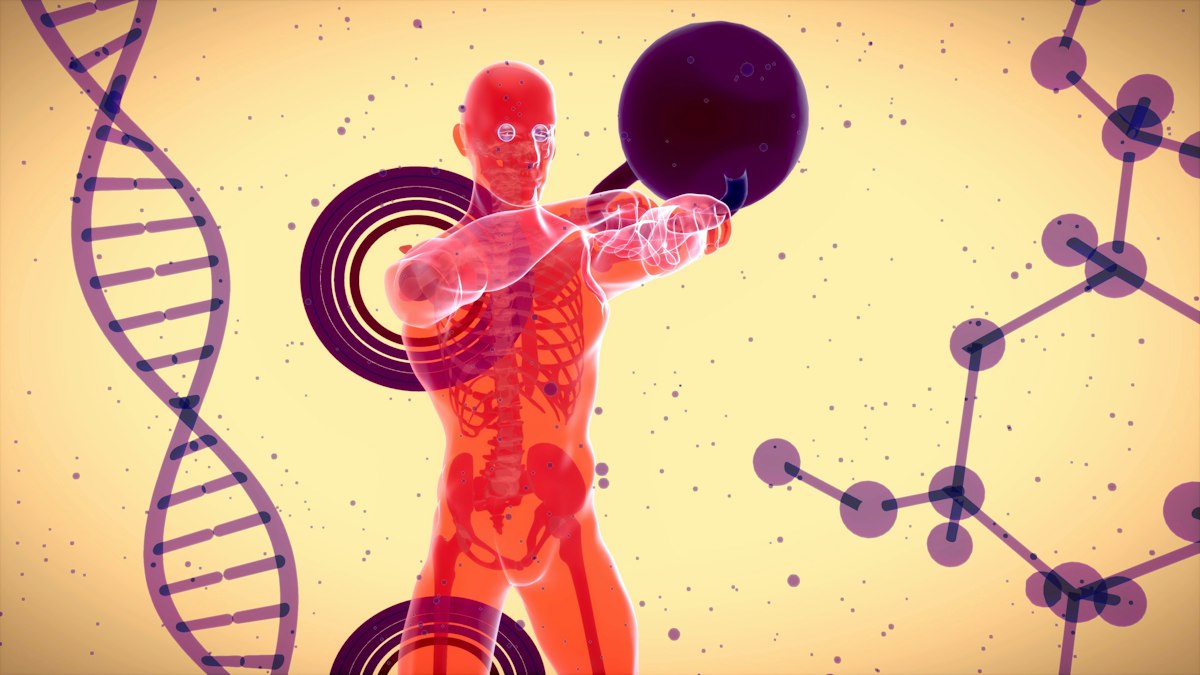
How Hormone Levels Shift After Age 30
Many men first notice subtle shifts in their energy, body composition, or recovery capacity during their early thirties — and while these changes are entirely normal, few understand the underlying hormonal mechanisms driving them. Our in-depth editorial coverage breaks down what actually happens inside the male endocrine system across each decade.
The male body produces a wide range of hormones that work in concert to regulate muscle mass, bone density, mood stability, metabolic rate, and cardiovascular function. As these signaling molecules gradually decline, the downstream effects can manifest quietly over many years before becoming noticeable.
Understanding the timeline and the biology behind these changes removes the stigma and confusion surrounding male aging. Our editorial team presents this topic with nuance, accuracy, and genuine respect for the reader's intelligence.
Read the Full GuideThe Physiological Stages of Male Hormonal Aging
Our flagship series traces the hormonal and physiological arc of the male body across four key life phases — each with its own characteristics, challenges, and opportunities.
The Peak Years (20s)
During the twenties, the male endocrine system reaches its full output capacity. Anabolic signals are strong, recovery is rapid, and metabolic efficiency is at its lifetime peak. This phase sets the hormonal baseline against which all future changes are measured. Our articles explore how lifestyle choices made during this decade influence the trajectory of aging for decades afterward.
Read articlesThe Transition (30s–40s)
The third and fourth decades typically bring the first detectable hormonal shifts. Hormone production begins a slow, steady decline while stress hormones — particularly cortisol — may rise in response to career and family pressures. Many men notice changes in body composition, sleep quality, and energy regulation. Our editorial team investigates these transitions with scientific rigor and practical context.
Read articlesMidlife Rebalancing (50s–60s)
The fifth and sixth decades represent a period of significant physiological rebalancing. Hormonal decline accelerates for some men while others experience a more gradual plateau. Bone density, cardiovascular health, and cognitive function all respond to these endocrine changes in interconnected ways. Our guides in this series explain how to interpret these changes and what lifestyle strategies the research supports.
Read articlesDiscover Our Full Library of Guides
From the science of andropause to practical longevity habits — our editorial library covers every aspect of male physiological aging in depth. Browse all articles and start reading today.
Browse All GuidesFrequently Asked Questions About Male Hormonal Health
Our editorial team addresses the questions we receive most often from readers curious about the science of andropause and male physiological aging.
Core Hormones That Influence Male Aging
The male body is governed by a complex web of hormonal signals. Here are six of the most important players in the story of male physiological aging.
Androgens
Androgens are the primary anabolic hormones in the male body, responsible for muscle maintenance, bone density, red blood cell production, and metabolic signaling. Their gradual decline from the fourth decade onward has wide-ranging effects across virtually every organ system. Our editorial series on androgens examines both the biology and the broader implications for long-term vitality.
Learn moreMelatonin
Melatonin orchestrates the body's circadian rhythm and plays a surprising role in the broader hormonal cascade. Its production tends to diminish with age, contributing to fragmented sleep patterns in older men. Since deep sleep is a critical window during which the body performs hormonal regulation and cellular repair, declining melatonin output has indirect but significant downstream effects on overall endocrine health.
Learn moreCortisol
Often referred to as the stress hormone, cortisol serves essential functions in metabolism and immune regulation. However, chronically elevated cortisol — a common feature of modern high-pressure lifestyles — actively suppresses anabolic hormone output and accelerates the physiological aging process. Understanding the cortisol-androgen relationship is one of the most practically important topics in male longevity science.
Learn moreGrowth Hormone
Growth hormone (GH) is not just a childhood phenomenon — it continues to play a vital role in adult male physiology, supporting lean body mass, fat metabolism, and cellular regeneration. GH secretion is primarily nocturnal and closely linked to sleep quality. Age-related declines in GH output contribute meaningfully to changes in body composition and recovery capacity that many men notice in their forties and fifties.
Learn moreThyroid Hormones
The thyroid gland regulates metabolic rate, thermogenesis, and energy availability across every cell in the body. Subtle changes in thyroid function — which become more common as men age — can mimic or compound the effects of androgen decline, producing fatigue, weight gain, and reduced cognitive sharpness. Our articles examine how thyroid health intersects with the broader story of male hormonal aging.
Learn moreInsulin & Metabolic Hormones
Insulin sensitivity declines with age in many men, particularly those with sedentary lifestyles or high dietary sugar intake. This metabolic shift influences fat distribution, cardiovascular risk markers, and importantly, the body's capacity to produce and respond to anabolic hormones. The connection between metabolic health and hormonal vitality is a key editorial focus across the Malebodiestimeline platform.
Learn moreWhat Our Readers Are Saying
We hear from readers across Indonesia and beyond who have found our articles genuinely useful in understanding their own physiology.
I stumbled across the article on cortisol and androgen suppression at exactly the right time — I had been attributing months of fatigue and poor focus to work stress without realizing there was a deeper physiological context. The writing is clear, the science is well-sourced, and I appreciated that the editorial team presents nuance rather than oversimplification. This platform has genuinely changed how I think about my own body and long-term health habits.
Dimas Prasetyo
Surabaya, East Java
As someone in my mid-forties who has been noticing gradual shifts in energy and body composition, finding this platform was a revelation. The series on the transition phase — covering the thirties through the forties — was written with remarkable depth and practical awareness. I particularly valued the discussion of sleep and growth hormone, which I had never fully connected before reading the article here. The content is well-researched and presented in a way that respects the reader's intelligence.
Hendra Wijaya
Bandung, West Java
I shared the guide on metabolic hormones and insulin sensitivity with my father, who is in his late fifties and has been struggling to understand why his body is responding differently to exercise than it did in his forties. The article explained the hormonal basis clearly enough that he felt genuinely informed rather than confused. This kind of accessible but scientifically grounded content is rare, and I regularly recommend this platform to friends and family who are starting to ask the same questions about aging.
Rizal Firmansyah
Jakarta, DKI Jakarta
What sets Malebodiestimeline apart from other health content I have read online is the editorial team's commitment to nuance. They do not make sweeping claims or promise specific outcomes — they simply explain the biology clearly, discuss what the research shows, and let the reader draw their own conclusions. The FAQ section answered questions I had been carrying around for years without satisfying answers. I now feel far more equipped to make thoughtful decisions about my lifestyle as I move through my fifties.
Agus Santoso
Medan, North Sumatra
Stay Informed on Men's Health
Get evidence-based articles, age-specific timelines, and practical tips delivered straight to your inbox — no spam, ever.
Your information is safe. Unsubscribe anytime.
Frequently Asked Questions
Answers to the questions men most often ask about physical changes, timelines, and what to expect as they age.
Your Body Has a Story.
Learn to Read It.
Thousands of men are already using Malebodiestimeline to understand what's happening in their bodies — and what they can do about it. Start exploring your decade-by-decade guide today.
Free to access • Evidence-based • No account required