
Understanding Male Hormones Across the Decades of Life
A science-backed editorial resource exploring how hormonal shifts shape the male body from early adulthood through the later decades — and what physiology tells us about managing that journey well.
- Decade-by-decade breakdown of key hormonal transitions
- Evidence-informed articles written for general male readers
- Practical lifestyle insights rooted in endocrine physiology
- Guidance on sleep, stress, nutrition, and hormonal balance
Stay Informed
Receive new physiological guides and editorial articles directly to your inbox. No clutter — only well-researched content.
We respect your privacy. Read our Privacy Notice.
What the Science Tells Us
Key physiological principles that frame every article on this platform — grounded in endocrinology and human biology.
Progressive Hormonal Decline
Androgen levels in men decline gradually starting in the third decade of life — a natural physiological process that affects energy, body composition, and mood over time.
Lifestyle Has Real Impact
Sleep quality, physical activity patterns, chronic stress, and nutritional choices all interact with hormonal regulation — often more meaningfully than many men realize.
Mind-Body Connection
Cortisol, DHEA, and other adrenal hormones are deeply influenced by psychological wellbeing — illustrating that emotional health and physical hormone balance are inseparable.
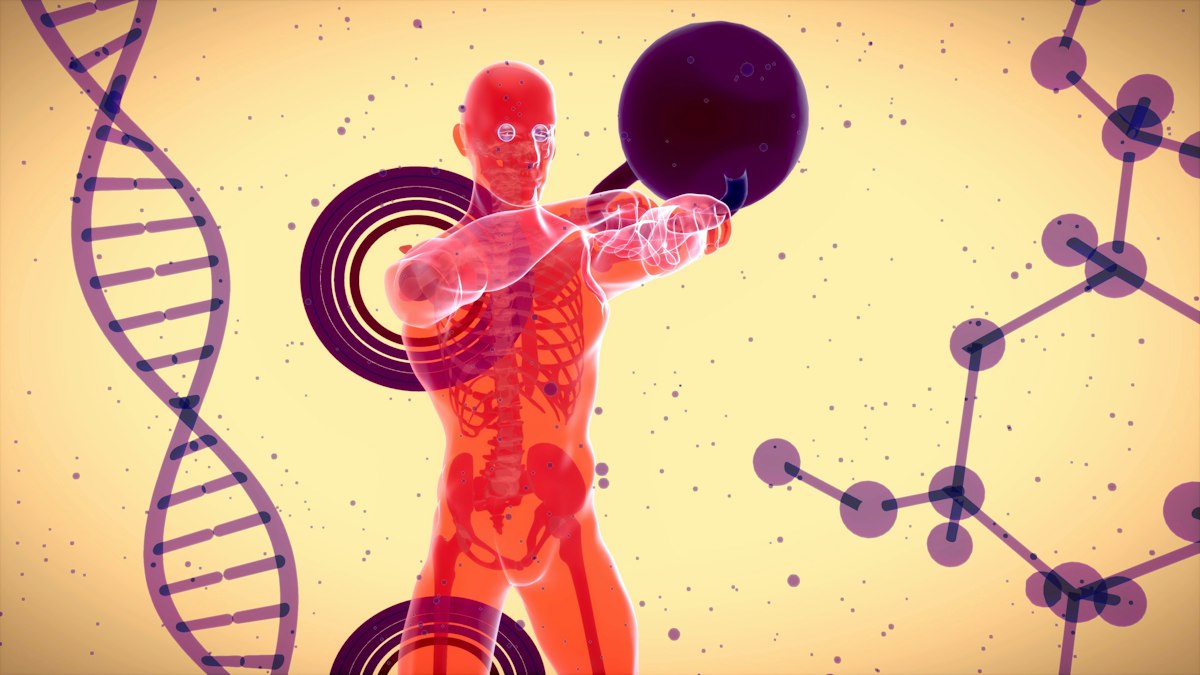
How Key Androgens Shape the Male Body from Youth to Old Age
From adolescence through early adulthood, male hormones drive the dramatic physical changes that define the first chapter of a man's biological life — muscle development, bone density accumulation, metabolic rate, and cognitive sharpening. These are the high-water years, and understanding them gives critical context for everything that follows.
As men move into their thirties and beyond, the endocrine landscape begins to shift — subtly at first, then more noticeably. Lean muscle becomes harder to maintain, recovery slows, and mood regulation may become less automatic. These changes are not signs of failure. They are the predictable physiology of an aging endocrine system, and they can be navigated with knowledge.
Our editorial team at Malebodiestimeline has compiled a comprehensive series of articles tracing these hormonal arcs across decades — written for the curious, health-aware man who wants clear answers rooted in real biology, not marketing language.
Read the Full SeriesStage-by-Stage Hormonal Changes: Age 30 to 70
Every decade brings a new hormonal reality. Understanding the physiological stages helps men anticipate changes and adapt their habits proactively.
The Subtle Beginning
The first decade after peak hormonal output is often invisible to most men. Androgen levels begin a slow descent — typically around 1–2% per year — while cortisol sensitivity may start to increase. Energy fluctuations, slightly longer recovery from exercise, and mild mood variability are early physiological signals. This is the ideal decade to establish resilient lifestyle habits.

The Turning Point Decade
By the forties, the cumulative effect of hormonal decline becomes more noticeable. Body composition shifts — visceral fat tends to increase while muscle mass requires more deliberate effort to preserve. DHEA production falls significantly, impacting energy metabolism and stress resilience. Sleep architecture changes, with deeper sleep stages becoming shorter. This is the decade of meaningful physiological recalibration.
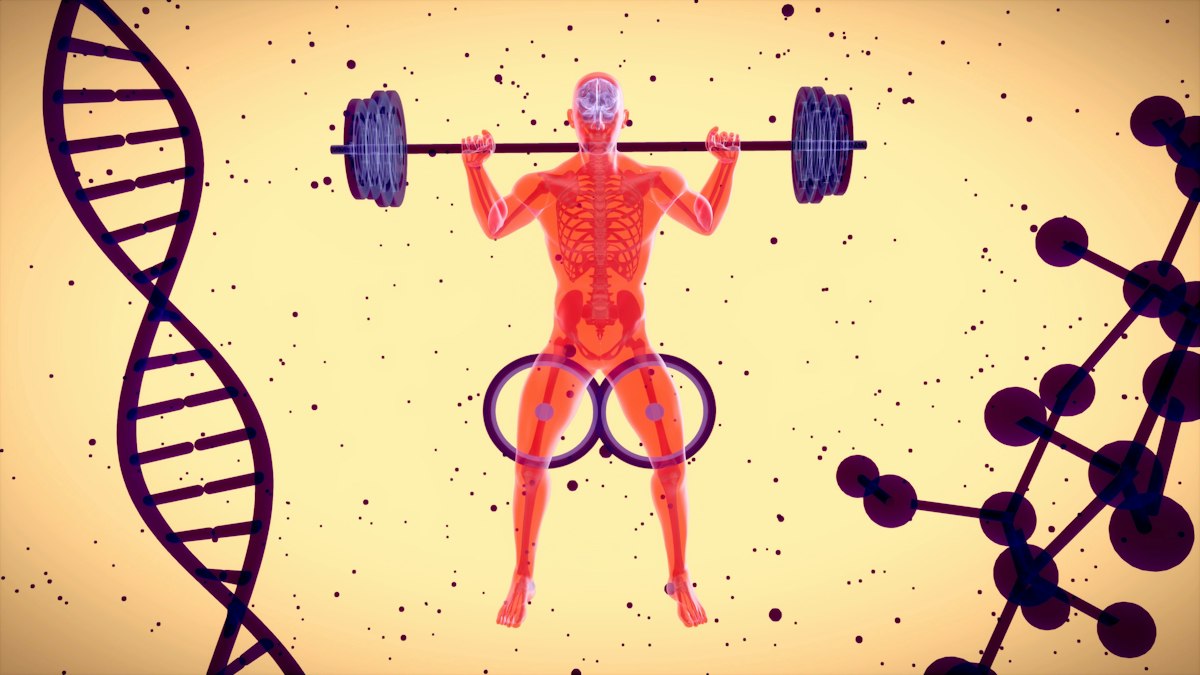
Navigating Andropause
The fifties are often when men first consciously recognize their hormonal landscape has changed. Sometimes called andropause — a gradual, non-abrupt process unlike menopause — this phase involves more pronounced shifts in androgens, thyroid function, and insulin sensitivity. Cognitive changes, joint discomfort, and shifts in emotional regulation are well-documented physiological features of this stage.

Adapting with Awareness
In the sixth and seventh decades, hormonal levels plateau at a lower baseline. The physiological focus shifts to maintaining what has been built — preserving bone density, cardiovascular health, neurological function, and metabolic efficiency. Men who approach this decade armed with physiological literacy and established habits demonstrate considerably better adaptive capacity. Knowledge genuinely changes the trajectory.

Explore Our Complete Guide Library
From foundational endocrinology to practical lifestyle strategies, our editorial guides are written to help men make sense of their own biology — clearly and without jargon.
Browse All GuidesCore Hormones Every Man Should Understand
These biochemical messengers drive nearly every aspect of male physiology. Each has its own arc of change across a man's lifespan — and each responds to lifestyle in meaningful ways.
Primary Male Androgen
The principal male hormone governing muscle protein synthesis, bone mineral density, red blood cell production, and mood regulation. Its gradual decline from the thirties onward is the central arc of male physiological aging.
DHEA
Dehydroepiandrosterone (DHEA) is produced mainly by the adrenal glands and serves as a precursor to multiple steroid hormones. It peaks in the mid-twenties and declines steeply thereafter, influencing energy metabolism, immune function, and stress buffering capacity.
Cortisol
Often called the stress hormone, cortisol is essential for inflammation regulation and energy mobilization — but chronically elevated levels directly suppress androgen production, impair sleep quality, and accelerate metabolic aging. Managing cortisol is one of the most impactful levers men have over their hormonal health.
Melatonin
Melatonin is far more than a sleep regulator. This pineal hormone modulates the circadian rhythm that governs hormonal pulsatility throughout the day and night. As melatonin production declines with age, the entire endocrine rhythm becomes less precise — affecting everything from cortisol timing to growth hormone release during deep sleep.
Thyroid Hormones
T3 and T4, the main thyroid hormones, regulate the body's basal metabolic rate. Even subclinical thyroid slowing — which becomes more common in aging men — can mimic the signs of androgen decline: fatigue, weight gain, cold intolerance, and cognitive sluggishness. Understanding thyroid physiology is essential for a complete picture of male aging.
Insulin & IGF-1
Insulin sensitivity and insulin-like growth factor 1 (IGF-1) decline with age in men, affecting muscle anabolism, fat storage distribution, and cardiovascular risk. These hormones interact closely with androgens — meaning diet, exercise, and sleep habits that improve insulin sensitivity often reflect positively across the entire hormonal axis.
Frequently Asked Questions
Our editorial team compiled these answers based on the most common questions from readers exploring male hormone physiology and age-related changes.
Take Control of Your Body's Timeline
Understanding how your body changes decade by decade is the first step toward making smarter decisions about training, nutrition, recovery, and long-term health. Dive into our in-depth guides and start building the foundation for a stronger, healthier future — at any age.
Evidence-based education about how the male body changes across every decade of life — from adolescence through the golden years.